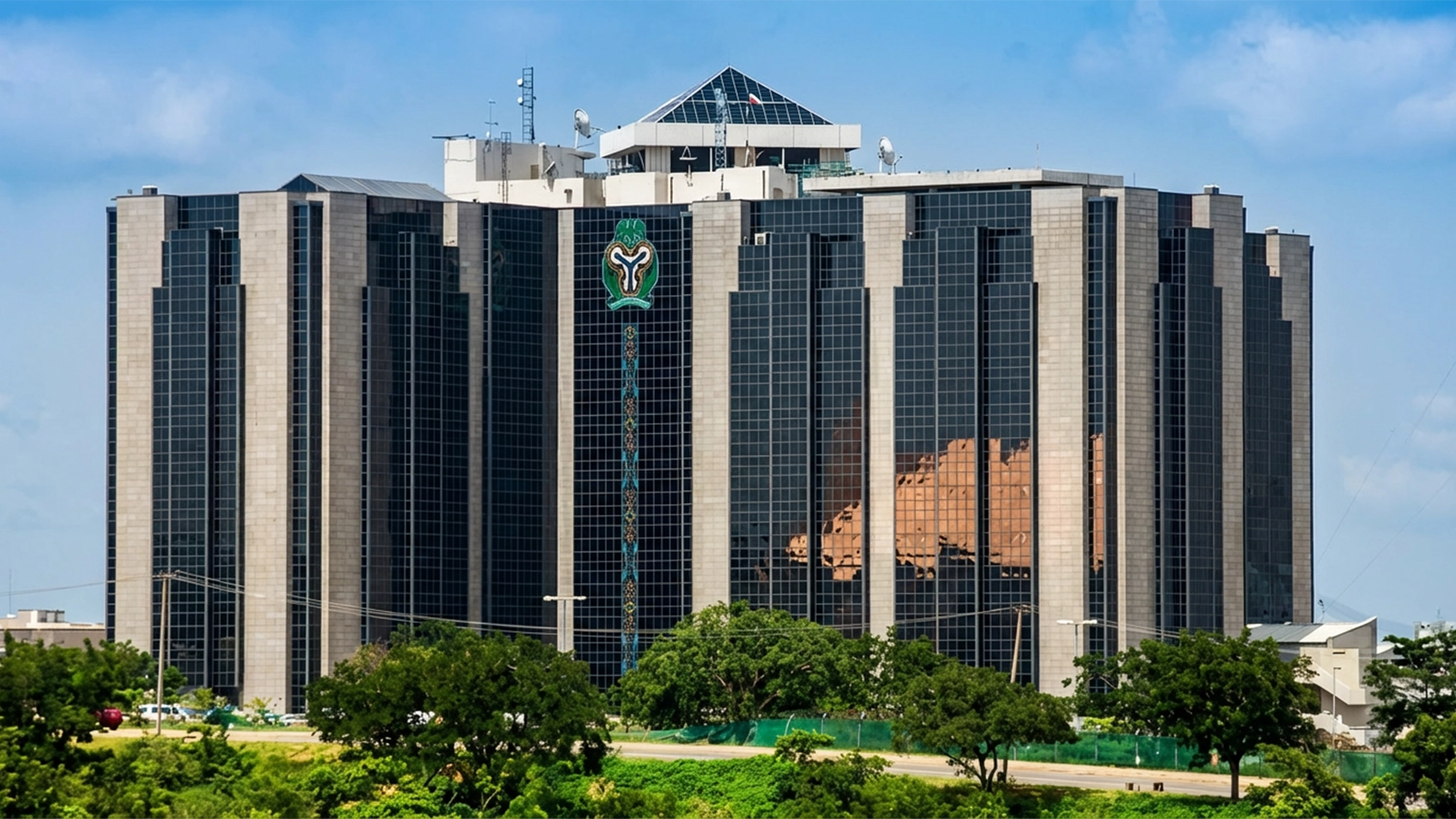
Nigeria's Monetary Policy Committee is weighing its next interest rate decision against two opposing economic signals: a jump in international oil prices and a cooling of domestic inflation.
The rise in crude prices carries direct fiscal consequences. Higher oil receipts can strengthen dollar inflows, support external reserves and ease pressure on the naira, while improving the revenue base available to the government. For a country where oil earnings still anchor public finances, that movement offers some relief.
The moderation in inflation, meanwhile, suggests that price pressures are easing. That development reduces the immediate case for keeping rates high and could create room for a policy stance that is more supportive of credit and investment.
The committee's dilemma is how to reconcile these two trends. Cutting rates could help businesses borrow at lower cost at a time when inflation is slowing, but policymakers may be cautious about loosening too quickly if oil-driven liquidity or exchange-rate movements reignite price growth. Holding rates steady would preserve stability but might weigh on an economy still dealing with weak output.
The decision matters across the private sector. Borrowing costs for manufacturers, traders and households are influenced by the benchmark rate, as are yields on fixed-income instruments and the general investment climate.
Fiscal authorities also have a stake in the outcome. Stronger oil prices may narrow revenue shortfalls and reduce the need for aggressive domestic borrowing, while the level of interest rates affects the cost of servicing public debt. The interaction between the central bank's stance and fiscal performance will be central to the coming decision.
As the committee deliberates, the key questions will be whether the slowdown in inflation is durable and whether oil market gains can hold. The decision will signal the central bank's priorities and set the tone for financial conditions in the period ahead.