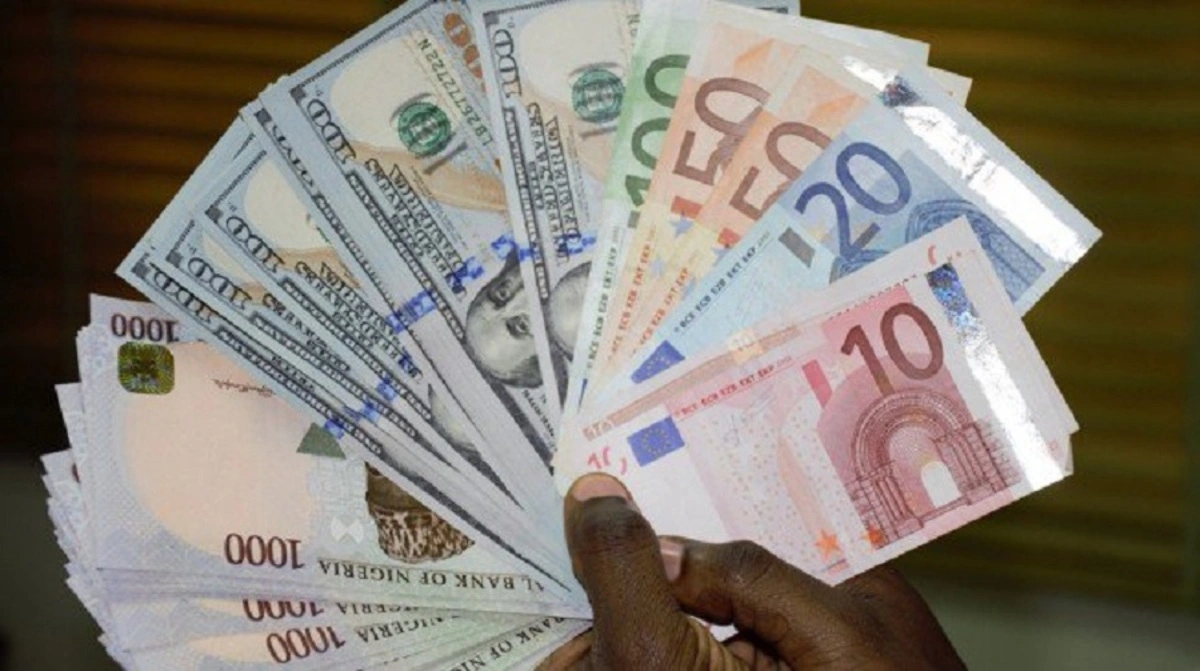
The naira closed at **N1,825 to the British pound** on Monday, according to the latest Central Bank of Nigeria exchange rate data, moving above the N1,800/£ threshold as seasonal foreign exchange demand builds.
The pound-naira pair has traded within a wide range this year, from levels above N1,900/£ earlier in the period to a band of N1,750–N1,850/£ during the current month. Currency market participants attribute the latest pressure to stronger demand for hard currency ahead of the Christmas, New Year and summer holiday periods.
Holiday travel, overseas shopping and family visits, particularly to the United Kingdom, are driving conversions from naira into pounds through personal travel allowances and the open foreign exchange market. Tuition and accommodation payments linked to academic intakes that coincide with the summer, autumn and early-year admission cycles are also adding to demand, with dealers pricing rates higher to reflect the surge.
The Central Bank's recent interest rate reduction has narrowed real yield differentials and stimulated mid-term appetite for the pound and the dollar. Although the additional liquidity is supplied at official levels, large institutional orders tend to absorb it, while secondary market and bureau de change rates trade above resistance points such as N1,800/£, creating a spillover from the official weighted average.
The outlook for the naira, however, is described as bullish because Nigerian Bonny Light crude has traded near the $120 per barrel mark. Higher oil prices increase the Federal Government's foreign exchange earnings, and the resulting rise in receipts supports Nigeria's gross external reserves.
Gross external reserves currently stand at **$55 billion**, described as a multi-year high, giving the Central Bank and market makers substantial room to intervene, defend and cushion the foreign exchange market. Analysts view this buffer as a factor that reduces concerns about an abrupt currency collapse.
In related developments, the British pound eased to about $1.33 at the start of the European session on Tuesday. Currency traders are holding back from large positions ahead of the United Kingdom's Autumn Budget and the United States Federal Reserve interest rate decision on Wednesday.