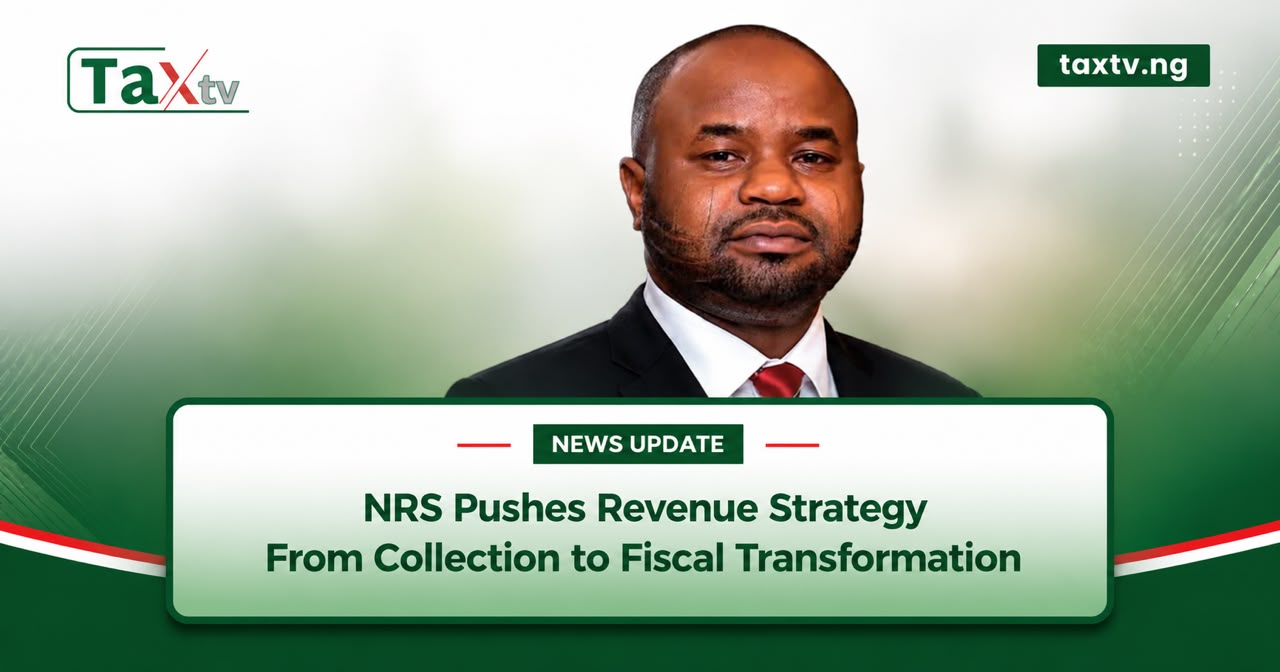
The Nigeria Revenue Service (NRS) is redefining the purpose of tax administration in the country, steering its strategy away from raw collection figures and toward building a resilient fiscal infrastructure. Executive Chairman Zacch Adedeji outlined the new direction, describing an agency focused on creating a tax system that underpins long-term economic expansion while easing the administrative burden on both government and citizens.
For years, the effectiveness of Nigeria's tax machinery was judged primarily by how much money flowed into government coffers. The NRS now argues that enduring revenue growth rests on a different foundation: one that promotes voluntary compliance, enhances the experience of taxpayers, and deploys technology to streamline processes. Officials expect this approach to rebuild trust between the public and the state, while simultaneously improving the efficiency of revenue mobilisation.
The realignment also feeds into Nigeria's broader ambition to reduce its exposure to volatile oil earnings by broadening the non-oil revenue base. A more transparent and predictable tax regime, the NRS believes, will make it simpler for businesses and individuals to fulfil their obligations and, in turn, give government a steadier stream of income.
As the country pushes forward with its tax reform agenda, the NRS contends that modernising tax administration will deliver more than improved revenue figures. It will contribute to national development by establishing a fiscal framework that is both fairer and more effective.