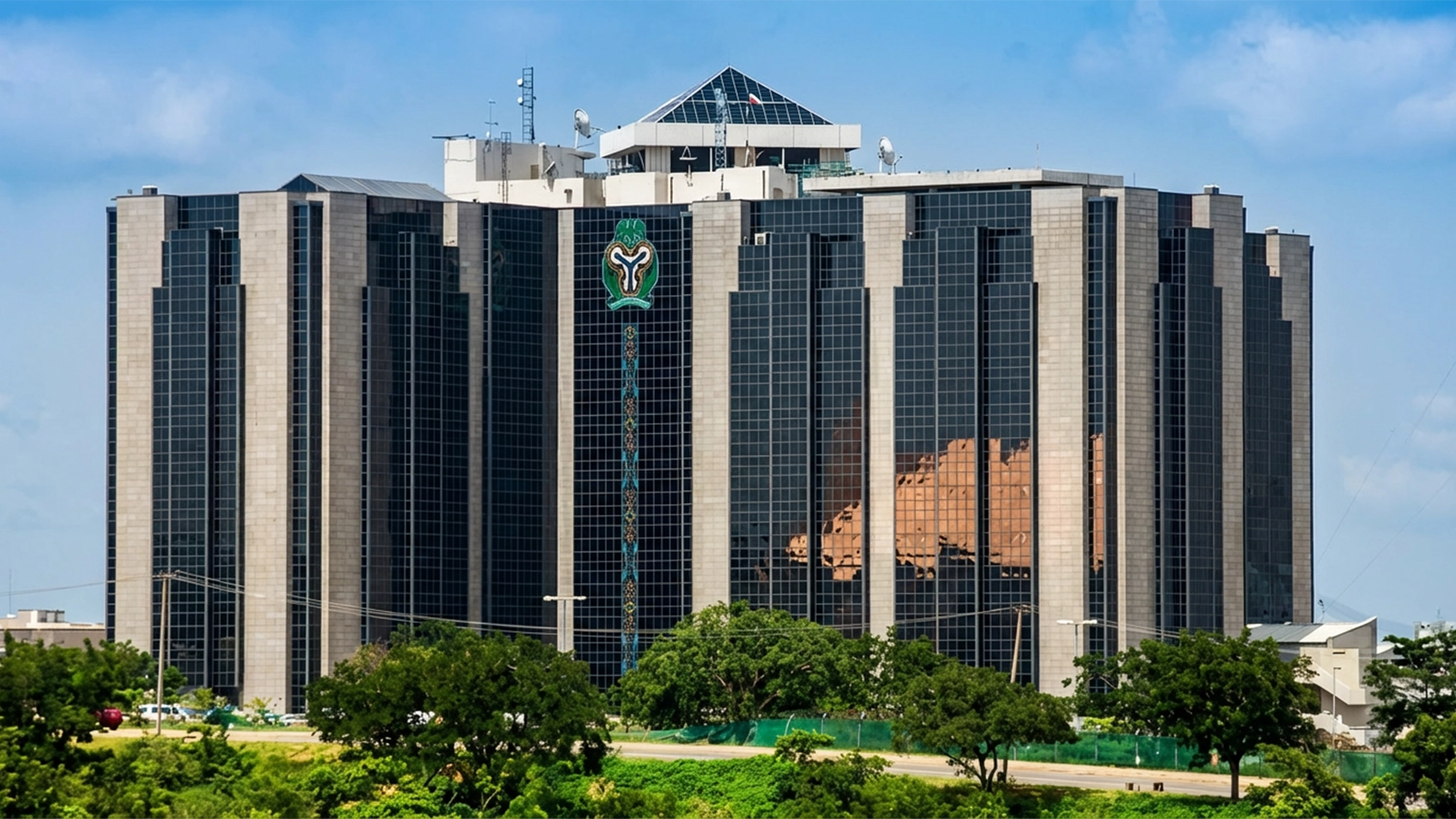
Nigeria's broad money supply (M3) climbed to N139.38 trillion in August 2026, a 16.4% increase from the N119.69 trillion recorded in August 2025, according to data published on the Central Bank of Nigeria (CBN) website.
The August figure represents a 0.4% month-on-month rise from N138.78 trillion in July, equal to roughly N601.6 billion in additional liquidity.
The expansion extends a steady upward trend through 2026. Broad money moved from N123.95 trillion in January to N124.99 trillion in April, N129.21 trillion in May and N133.25 trillion in June, before reaching N138.78 trillion in July and N139.38 trillion in August.
The CBN data show net domestic assets increased to N101.99 trillion in August from N101.07 trillion in July, a gain of about N925.5 billion. Net foreign assets, however, declined to N37.39 trillion from N37.71 trillion over the same period, a fall of approximately N323.9 billion. The rise in domestic assets more than offset the decline in foreign assets, supporting the overall increase in broad money.
The money supply growth comes as the CBN maintains a relatively tight monetary policy stance. At its 306th Monetary Policy Committee (MPC) meeting in July 2026, the apex bank unanimously retained the Monetary Policy Rate at 26.50% and held other key parameters steady. In September 2025, the MPC had reduced the MPR by 50 basis points to 27% to support economic activity, before holding the rate at 27% in November 2025. The next MPC meeting is scheduled for the following week in Abuja.
The stance reflects the CBN's balancing of inflation-control objectives with concerns about economic growth and financial conditions. Broad money captures currency in circulation outside banks, demand deposits, savings and time deposits, and foreign currency deposits.
Separately, Nigeria's gross external reserves rose by $12.76 billion year-on-year to $54.61 billion as of September 14, 2026, surpassing the CBN's full-year 2026 projection of about $51.04 billion. Reserves have grown by $7.09 billion since the start of 2026.
Nairametrics also reported that a 25-basis-point rate increase by the United States Federal Reserve could add pressure on emerging markets as investors reassess returns from dollar-denominated assets.