Nigeria's proposed Economic Policy Framework sets out targets for public revenue collection and for building an economy that can withstand shocks while meeting the basic needs of its citizens. The framework links these goals to two outcomes: achieving optimal revenue, and promoting economic security and sustainability.
Under the optimal revenue outcome, the framework proposes that tax revenue should reach at least 20 percent of gross domestic product (GDP), while total government revenue should reach at least 30 percent of GDP. GDP measures the total value of goods and services produced in the economy, and the tax-to-GDP ratio compares tax collections against the size of that economy.
The document is careful to describe these figures as ratios rather than tax rates. A 20 percent tax-to-GDP target does not imply that every Nigerian or every business would be required to hand over 20 percent of their income to the government. Instead, the proposal is intended to ensure that the state has adequate resources for development and public services such as infrastructure, education, healthcare and security.
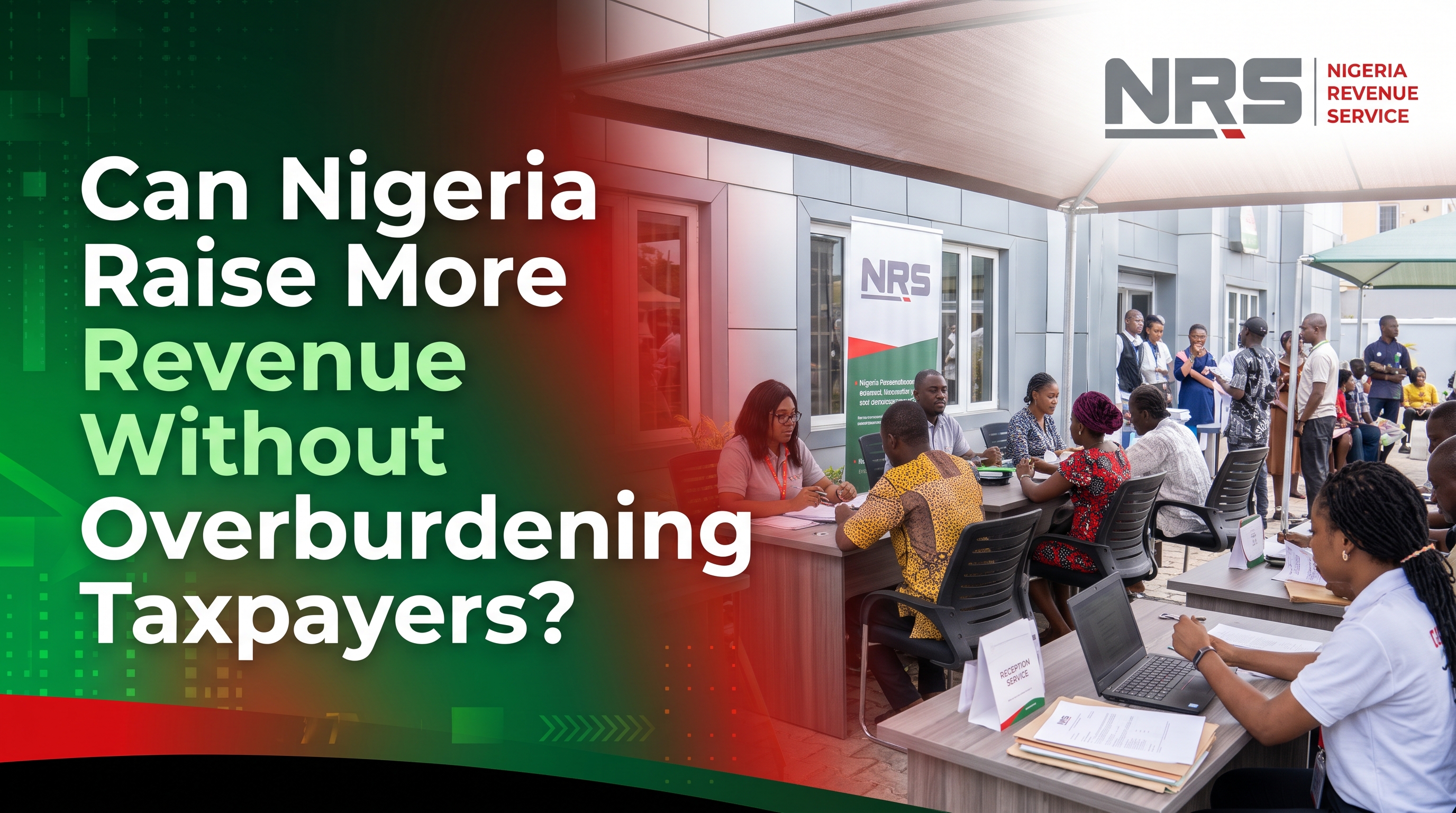
Reaching the targets could involve better tax administration, improved compliance and reduced revenue leakages. However, the framework also stresses that revenue mobilisation must take fairness into account, particularly for low-income households and small businesses.
The second outcome, described as the tenth outcome, looks beyond collection. It proposes self-sufficiency in basic needs, environmental protection, economic resilience and rising living standards. In practice, this means building an economy that can meet essential needs, withstand disruptions and preserve resources for future generations. Stronger domestic production could reduce dependence on external supplies for certain important goods, while environmental protection helps safeguard the resources on which communities and industries depend.
The proposed National Economic Scorecard includes several indicators that can help citizens assess the country's fiscal position and economic resilience. These include revenue-to-GDP, deficit-to-GDP, debt service relative to revenue, foreign reserves and export diversification.
The framework concludes that a sustainable economy requires sufficient public revenue, responsible management of resources and the capacity to meet essential needs without compromising future prosperity. The real measure of successful revenue mobilisation, it states, is not simply how much government collects, but how effectively those resources improve the lives of Nigerians.