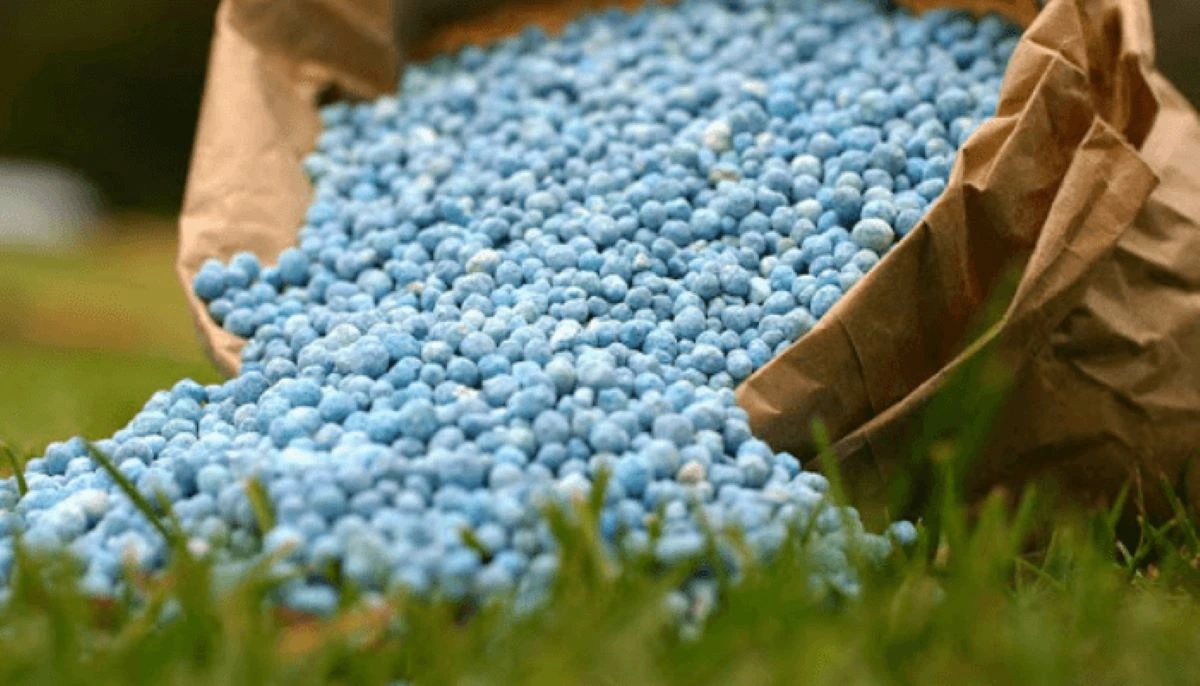
Nigeria’s fertilizer application rate remains at about 15kg per hectare, well below the 50kg per hectare target agreed for ECOWAS countries. The gap is a major constraint on agricultural productivity and domestic food supply.
The assessment was presented by Vishwajit Sinha, Chief Executive Officer of Greenview Fertiliser Corporation, the parent company of Dangote Fertilizer, during a plenary session at the FirstBank Agric & Export Expo 2026 in Lagos. The session brought together policymakers and private sector leaders to discuss agricultural productivity, financing and Nigeria’s export potential.
Sinha said Nigeria’s fertilizer consumption is among the lowest globally. He recalled that under the Abuja Convention, ECOWAS countries agreed to raise fertilizer application to 50kg per hectare within 10 years, but 14 years later the rate is still about 15kg per hectare. Yields for sorghum, cassava, yam, maize and rice remain at roughly 20% to 25% of comparable global levels.
He attributed the shortfall to affordability and structural constraints. Smallholder farmers struggle to afford quality seeds, fertilizer and crop protection chemicals, while the average farmer operates about 2.5 acres. Limited irrigation, poor roads, inadequate storage and high logistics costs also affect output, with post-harvest losses estimated at 40% to 50%. Only 5.8% of agricultural land is irrigated under command-area development.
On financing, Sinha noted that while about 78% of farmers are financially included, only about 2% of total loans to the agricultural sector go to farms.
Other panelists called for consistent government policies, patient financing and stronger domestic supply, and urged a balance between export opportunities and the needs of local industries. Mohamed Tahir of Wilmar Agribusiness asked for sustained government support, consistent policies, stronger implementation and patient financing for long-gestation crops such as palm and cashew. Agboola Zubayr Belgore, Managing Director of Amo Byng Nigeria Limited, said Nigeria should prioritise domestic supply of some commodities before focusing heavily on exports. Nigeria requires about 2 million metric tonnes of soybeans annually but produces roughly 1 million to 1.3 million metric tonnes. Export demand for non-GMO soybeans could increase prices for local livestock feed producers. The panelists said government should focus on policy, research and standardisation, while the private sector drives production, processing and exports.