Nigeria is aiming for economic growth of 7% in 2027, well above the International Monetary Fund's projection of 4.3%, as the Federal Government accelerates reforms and works to bring down inflation in support of business activity.
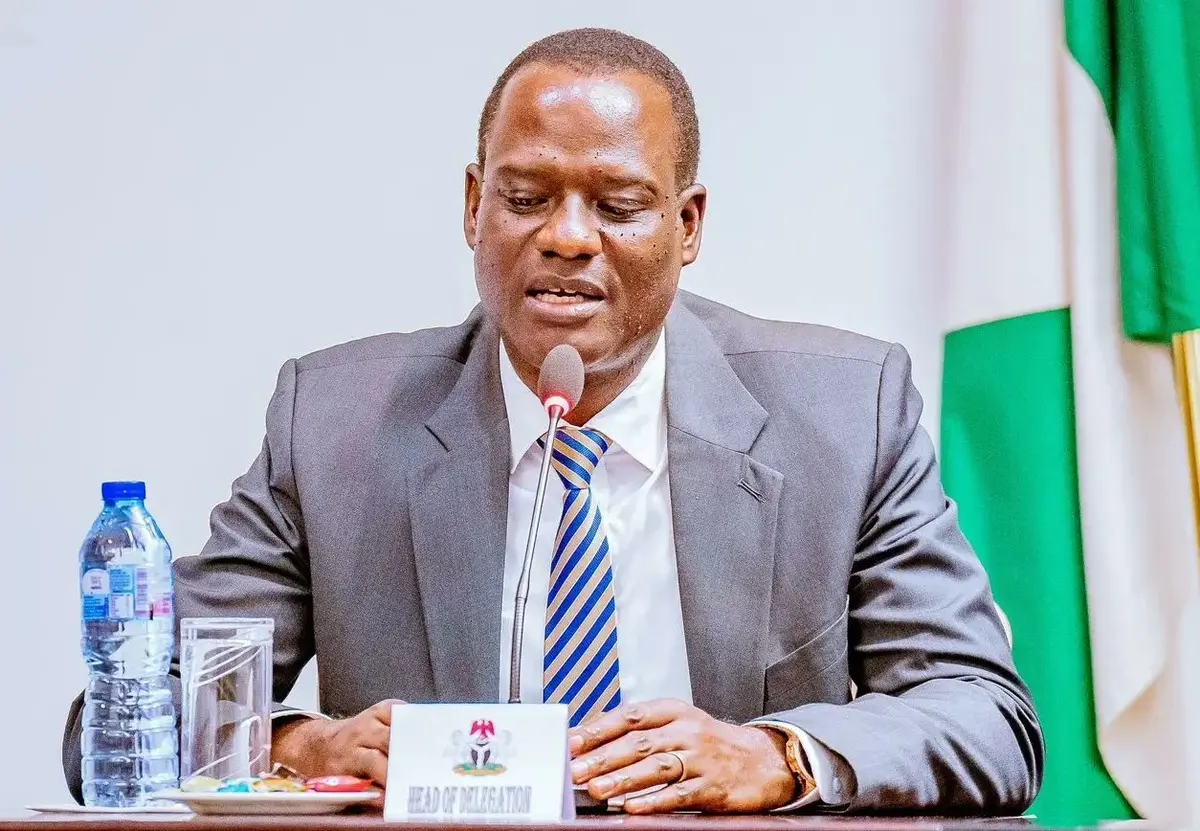
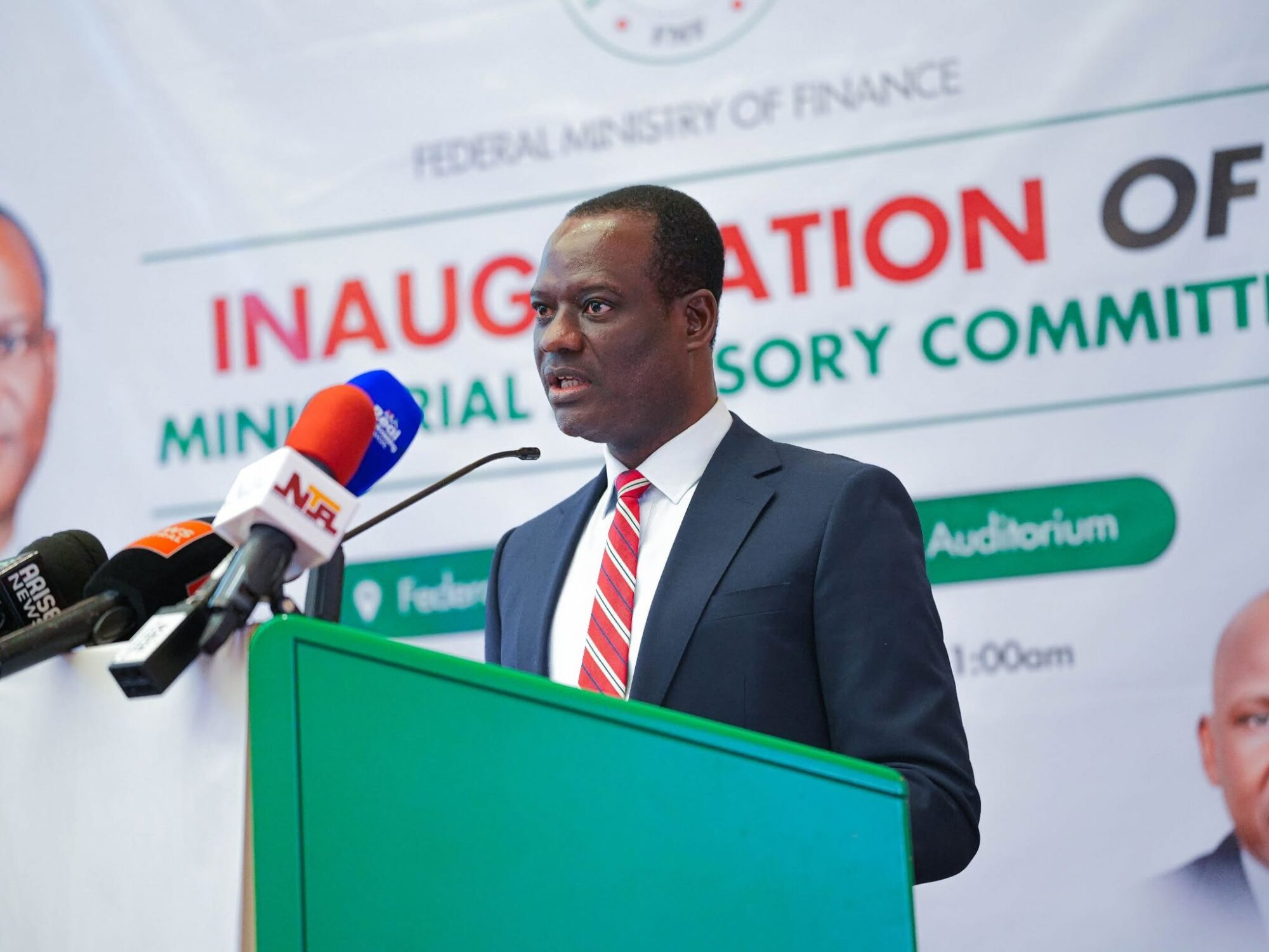
The Minister of Finance and Coordinating Minister of the Economy, Taiwo Oyedele, disclosed the target on Saturday at Nigeria's news conference on the sidelines of the 2026 World Bank/IMF Annual Meetings in Bangkok, Thailand. He described the Fund's growth forecast as conservative and expressed confidence that the economy could outperform it as reforms intensify.
"The projections of the IMF have always turned out to be too conservative. This year will not be different," Oyedele said.
According to the minister, the government intends to complement the Central Bank of Nigeria's monetary policy measures with fiscal interventions aimed at accelerating growth. He identified food, energy and logistics costs as the major drivers of inflationary pressure, adding that the government was addressing those challenges.
Oyedele said reducing inflation to low single digits could pave the way for single-digit interest rates and make credit more affordable for businesses. He noted that companies currently facing lending rates close to 30% could achieve stronger growth if borrowing costs declined.
On foreign exchange, the minister credited the CBN for improvements in stability, stating that the naira had remained stable and was appreciating. He also cited foreign exchange reforms and changes to Nigeria's tax system within two years as significant policy developments under the government's broader reform agenda.
He described "Nigerian Rising" as the administration's way of communicating reform progress, growing international recognition and emerging economic opportunities, and urged Nigerians to look beyond negative headlines.
Oyedele argued that investor interests and public welfare could both be achieved through sustainable economic policies that benefit citizens while attracting investment. He warned that reversing key reforms, particularly fuel subsidy removal, could trigger capital flight, weaken the naira and create further economic pressures.