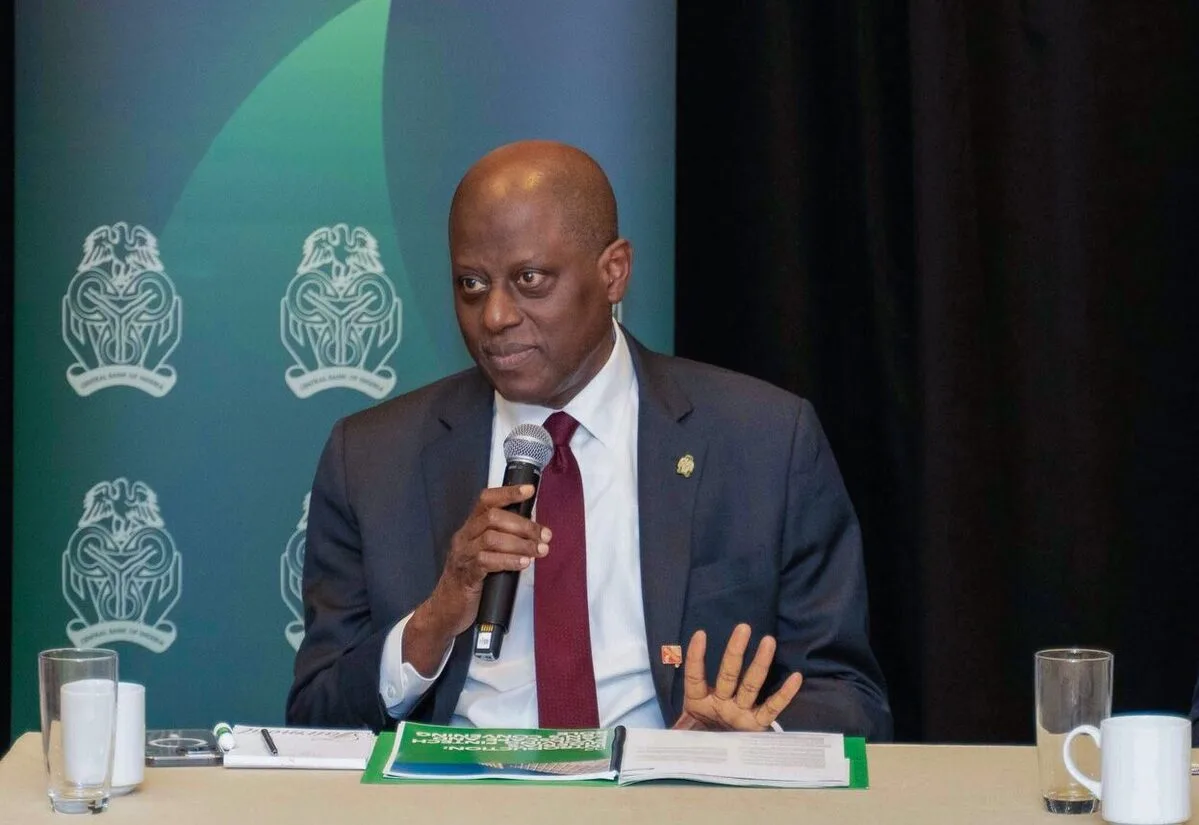
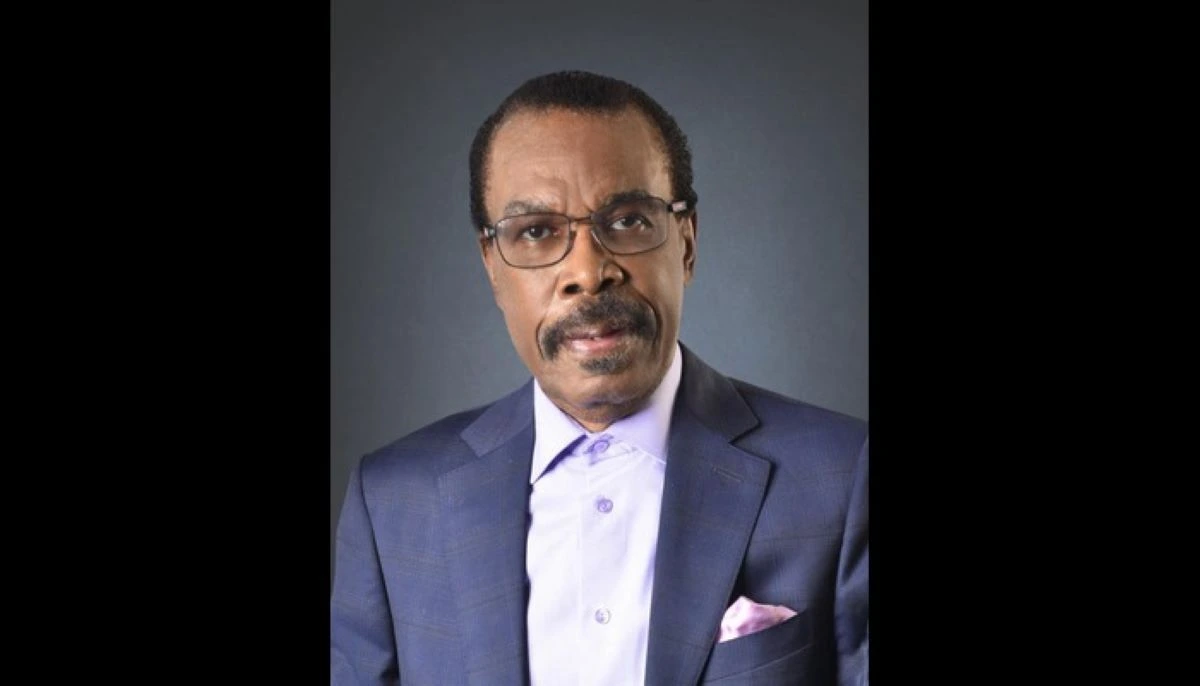
Femi Otedola, Chairman of First HoldCo Plc, has endorsed President Bola Tinubu's economic reform programme, arguing that the measures have set Nigeria's economy on a durable growth trajectory.
The billionaire businessman made the remarks after a private dinner with President Tinubu in Paris, France, on Monday evening. In a post published on X on Tuesday, he pointed to developments in the capital market, foreign exchange market, external reserves and investment climate as evidence that economic conditions are improving.
Otedola said: "At a private dinner in Paris yesterday evening with His Excellency, President Asiwaju Bola Ahmed Tinubu, whose bold and forward-thinking reforms have put our economy firmly on a path of sustainable growth."
He added: "The results are increasingly evident: top Nigerian companies now included on the FTSE Russell Frontier 50 Index, the NGX at historic highs, increased foreign direct investment and renewed economic confidence, a unified and more stable foreign exchange market, foreign reserves standing strong at about $55 billion, and so much more."
Otedola also said: "I remain proud of you, Mr. President!"
His comments follow FTSE Russell's inclusion of six Nigerian companies in its FTSE Frontier 50 Index, marking Nigeria's return to Frontier Market status after about three years. The admitted firms are FirstHoldCo, Zenith Bank, Guaranty Trust Holding Company (GTCO), Dangote Cement, Aradel Holdings and MTN Nigeria. FirstHoldCo, where Otedola serves as chairman, was among the companies listed. The index tracks 50 large and liquid companies across frontier markets and serves as a benchmark for investors seeking exposure to those economies.
Nigeria has implemented a series of economic reforms since Tinubu assumed office in May 2023, including the removal of the petrol subsidy and changes to the foreign exchange market.
In its June 2026 Article IV consultation, the International Monetary Fund said reforms carried out over the preceding three years had improved macroeconomic outcomes and strengthened resilience. The Fund, however, noted that conditions remained difficult for many Nigerians, citing poverty and food insecurity among the challenges.