A stronger United States dollar and the approach of Nigeria's election season could weaken the naira and push up the cost of servicing the country's foreign currency debt, according to financial analysts who spoke on the latest episode of Drinks and Mics, hosted by Nairametrics Founder and Chief Executive Ugo Obi-Chukwu. The discussion examined the implications of the Democratic Party's victory in the United States.
Arnold Dublin-Green, Chief Investment Officer at BGL Asset Management, cautioned that rising United States Treasury yields, potential shifts in interest rates and domestic political uncertainty could make Nigeria's external borrowing environment more difficult.
Dublin-Green observed that United States Treasury yields have been climbing alongside recent market volatility. Should the Federal Reserve raise rates in December, he argued, Nigeria would need to reassess its dollar borrowing costs, particularly on Eurobonds, and contend with a potentially stronger dollar and a weaker naira during the election period.
His remarks highlight how higher United States interest rates can influence emerging markets, as investors weigh returns on riskier assets against dollar-denominated alternatives. A stronger dollar would also raise the naira value of Nigeria's foreign currency obligations, while election-related uncertainty could add further pressure on the local currency.
Nairametrics had earlier reported that the naira depreciated by 0.22 percent in the first week of November, closing at N1,349 per dollar on November 6, as foreign exchange turnover on the Nigerian Foreign Exchange Market stayed subdued.
On trade policy, Muktar Muhammed, Chief Executive Officer of Finance with Muktar, said United States tariffs could benefit Nigeria, though the outcome would depend on how many Nigerian products were directly affected.
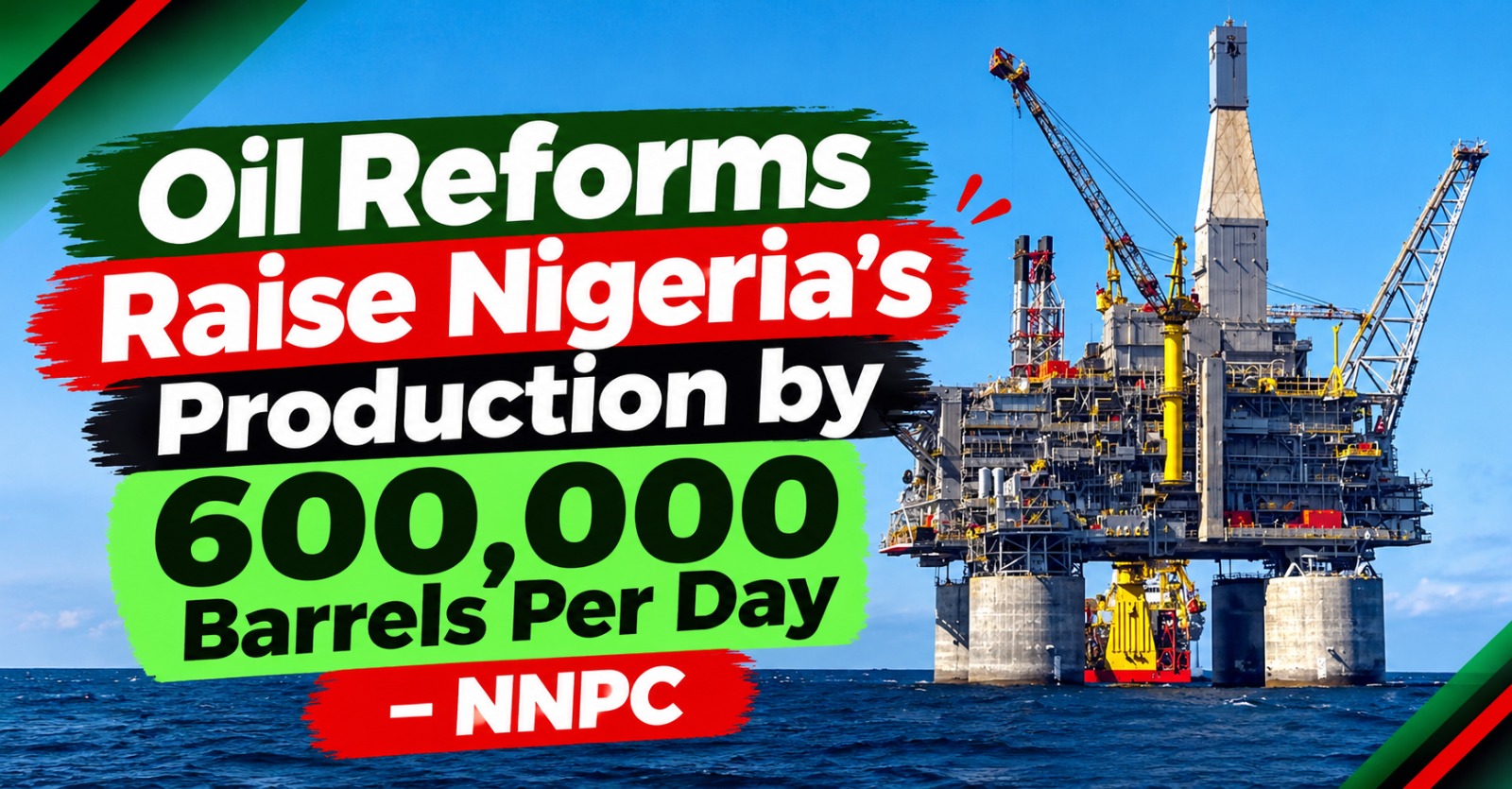
Oluwapelumi Joseph, a finance professional, focused on oil prices and output. He noted that Nigeria's budget benchmark of $64 per barrel offered scope for revenue gains if prices stayed higher. He put the country's crude oil production at about 1.8 million barrels per day and said sustained output of between 1.8 million and 2 million barrels per day would support the oil revenue outlook. Joseph also said oil prices were unlikely to fall to $50 per barrel and that interest rates had not fallen enough to trigger a significant exit by foreign portfolio investors.