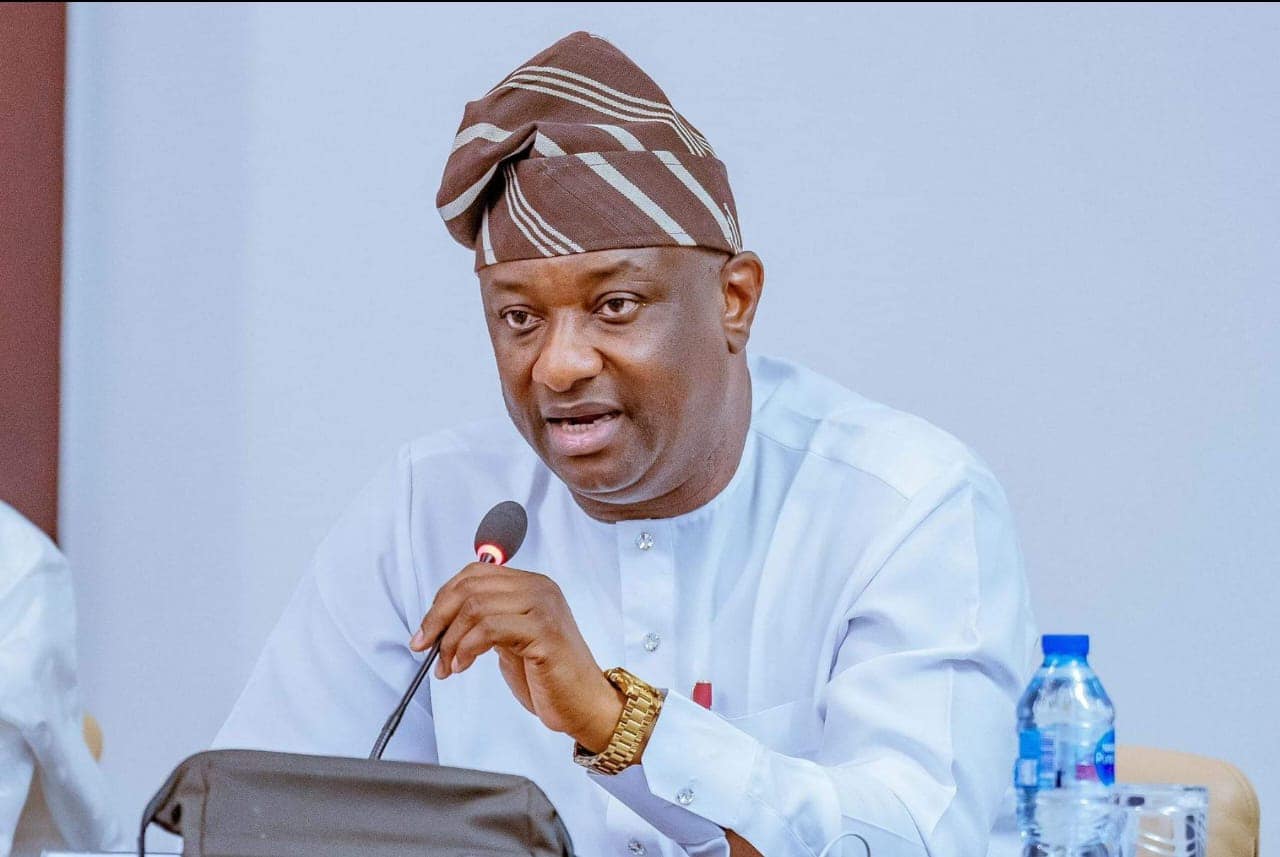
The removal of fuel and foreign exchange subsidies allowed the administration of President Bola Tinubu to mobilise roughly $500 million for the reconstruction of Lagos airport and other aviation infrastructure within two years without resorting to borrowing, according to the Minister of Aviation and Aerospace Management, Festus Keyamo.
Speaking at Aero Contractors' 67th anniversary celebration in Abuja on Monday, October 5, 2026, Keyamo said the policy shift improved federal liquidity and freed resources previously tied to subsidies, strengthening the government's capacity to finance critical aviation projects across major airports.
Responding to a question from the Managing Director of Aero Contractors on the state of the aviation industry under the Renewed Hope Agenda, Keyamo said the funds were not raised through debt but came from improvements in the country's liquidity and foreign reserves.
- "In less than two years after we removed subsidies from both naira and fuel, President Bola Tinubu raised $500 million to rebuild the Lagos airport. Not money borrowed, because we were able to do what we should do. Our liquidity rose. Our foreign reserves also rose from $3 billion to $56 billion now." - "And investors are rushing into the country because they now see the country as viable."
He said the Federal Government is targeting N1 trillion under the Renewed Hope Agenda for critical aviation infrastructure.
The minister attributed Nigeria's historical difficulty in adequately financing major airports to revenues committed to fuel and foreign exchange subsidies, noting that the country often had to borrow because it lacked money for infrastructure.
Keyamo said terminals constructed in Lagos, Abuja, Kano and Port Harcourt were financed with Chinese loans that Nigeria is still repaying. He added that building a second runway at the Nnamdi Azikiwe International Airport in Abuja would now cost about N400 billion.
- "We could not raise N45 billion at that time to do the second runway. About 15 years to 20 years later, it is now costing us nearly N500 billion," he said.