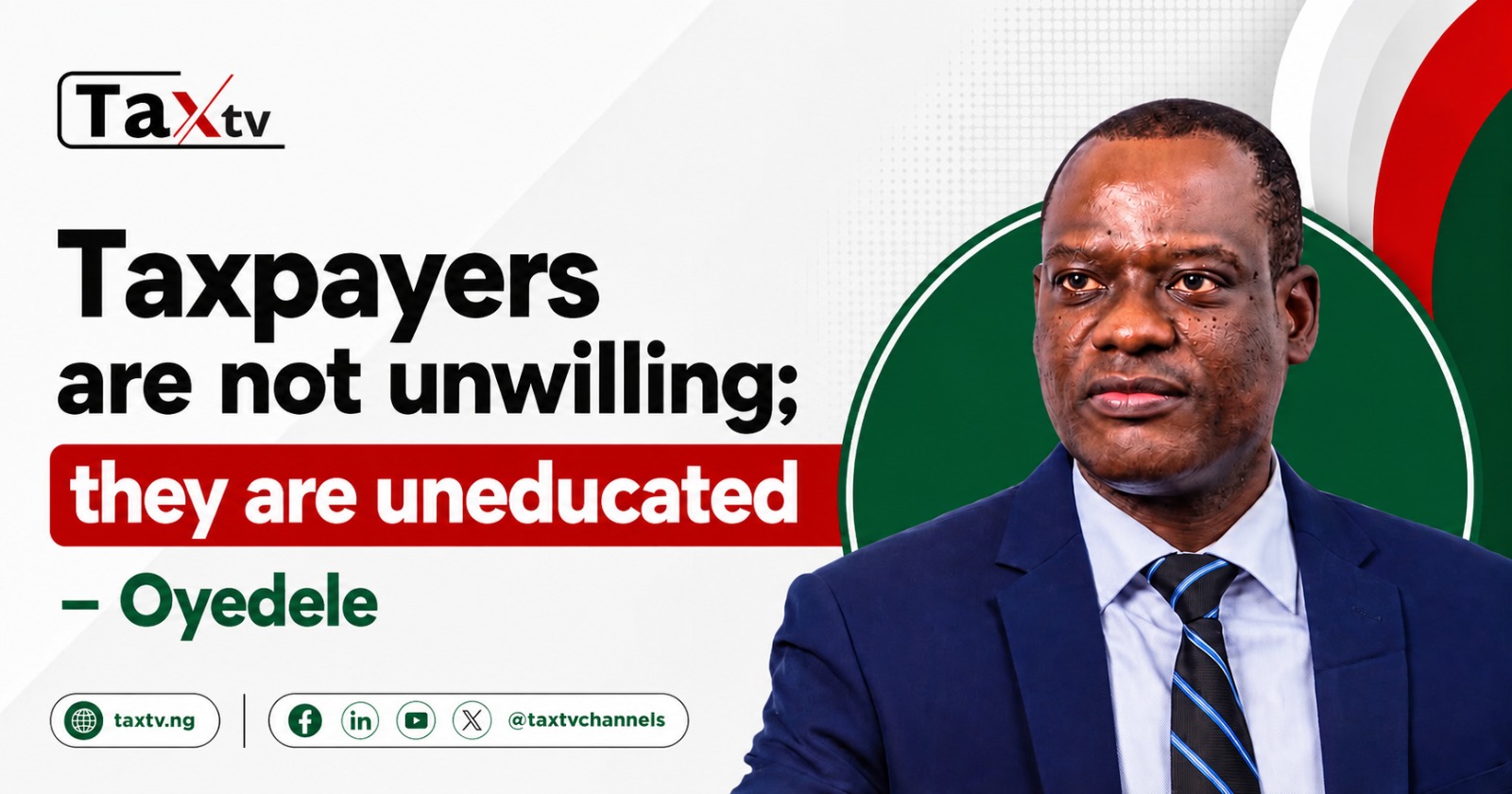
The Chairman of the Presidential Fiscal Policy and Tax Reforms Committee, Taiwo Oyedele, has drawn a sharp distinction between taxpayer unwillingness and taxpayer ignorance, asserting that many Nigerians who fail to meet their tax obligations do so not out of deliberate defiance but because they simply do not understand the tax system.
Speaking in a recent engagement, Oyedele emphasised that the narrative portraying Nigerians as inherently resistant to paying taxes is misleading. The core problem, he argued, is a widespread lack of taxpayer education across the country.
Nigeria has long grappled with one of the lowest tax-to-GDP ratios in the world, hovering around 10 percent, far below the African average. Successive governments have identified widening the tax net as a critical fiscal priority. Oyedele’s remarks suggest that achieving this goal requires a fundamental shift in approach: away from enforcement-heavy strategies and towards sustained public education on tax rights and obligations.
The Presidential Fiscal Policy and Tax Reforms Committee, inaugurated in 2023, has been tasked with harmonising Nigeria’s fragmented tax system, reducing the multiplicity of taxes, and improving voluntary compliance. Oyedele has consistently advocated simplifying tax laws and making compliance easier for individuals and small businesses.
His latest comments reinforce the Committee’s position that taxpayer sensitisation must be at the heart of reform. Without it, coercive measures alone will yield little improvement in compliance rates. The argument implies that millions of Nigerians operating in the informal sector, as well as many formally employed individuals, remain outside the tax net largely because they have never been properly educated on why they should pay taxes, how to comply, and what benefits accrue from doing so.