The United States Federal Reserve has raised its benchmark interest rate by 25 basis points to a range of 3.75%–4.00%, its first increase since 2023, a move that has lifted the dollar and dampened near-term bullish sentiment toward the Nigerian naira.
The decision was taken unanimously, with a 12-0 vote under Fed Chair Kevin Warsh, despite pressure from the White House to lower rates ahead of the November elections. Persistently high U.S. inflation, still running above 2% and fuelled by rising energy and oil prices alongside resilient economic activity, drove the shift toward tightening.
By signalling a sustained "higher for longer" stance, the Fed is pulling foreign portfolio capital back into dollar-denominated assets and reducing speculative bullish positions on the naira. Wider yields on U.S. Treasury securities have widened the risk-adjusted return gap, drawing foreign portfolio investments toward lower-risk U.S. assets and away from frontier markets such as Nigeria.
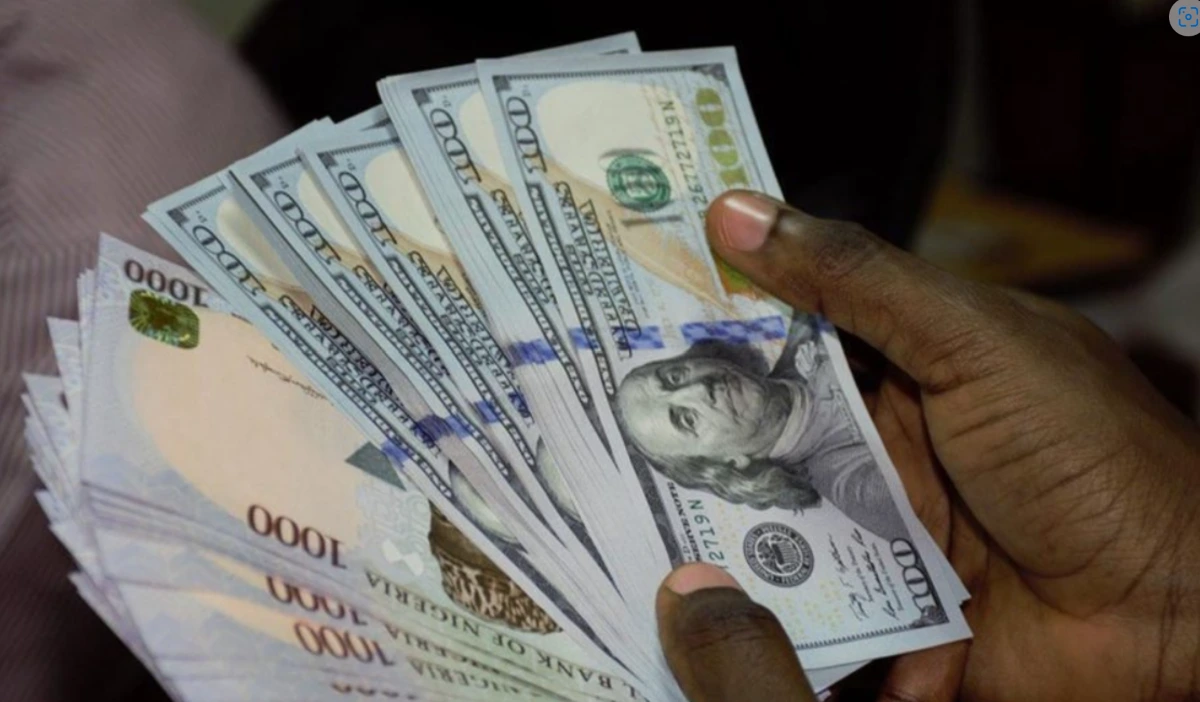
For Nigeria, the external pressure arrives even as domestic fundamentals show improvement, including moderating inflation and exchange rate appreciation, with the dollar trading near N1,330 in the interbank market. The stronger dollar nonetheless limits the momentum of local currency gains and curtails the hot-money portfolio flows that support local liquidity.
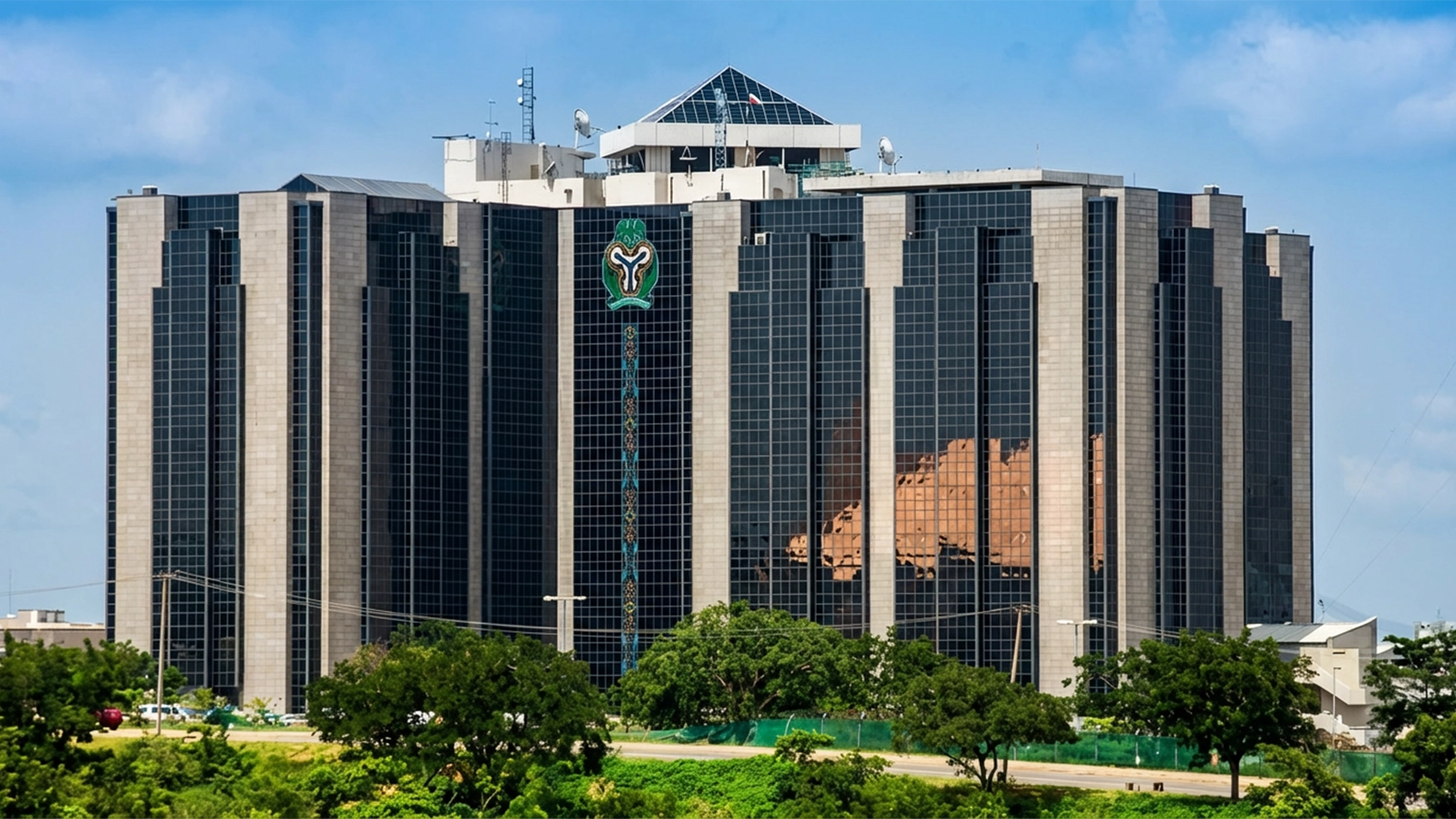
The Central Bank of Nigeria's efforts to tighten liquidity through Open Market Operations bill auctions approaching N3 trillion face headwinds from the aggressive global liquidity squeeze. Interbank transaction volumes have risen, reflecting stronger demand and supply pressures for U.S. dollar foreign exchange.
The U.S. Dollar Index eased after reaching its highest level since late July earlier on Thursday, but remained above the 100-point level into the European trading session. Dollar bulls paused after Fed Chair Kevin Warsh said there is no need to fear inflation, easing fixed-income tensions, prompting a slight correction in U.S. bond yields and profit-taking among dollar buyers.
Geopolitical developments are also supporting the dollar. Reports indicate Iran-supported Houthi fighters carried out more than 450 air raids in Yemen during the week. President Donald Trump has stated the country's commitment to reaching an agreement with Iran, but continuing violence between Houthi forces and Saudi Arabia is raising geopolitical risk premiums and reinforcing the dollar's outlook.